Mediology and Alternate History
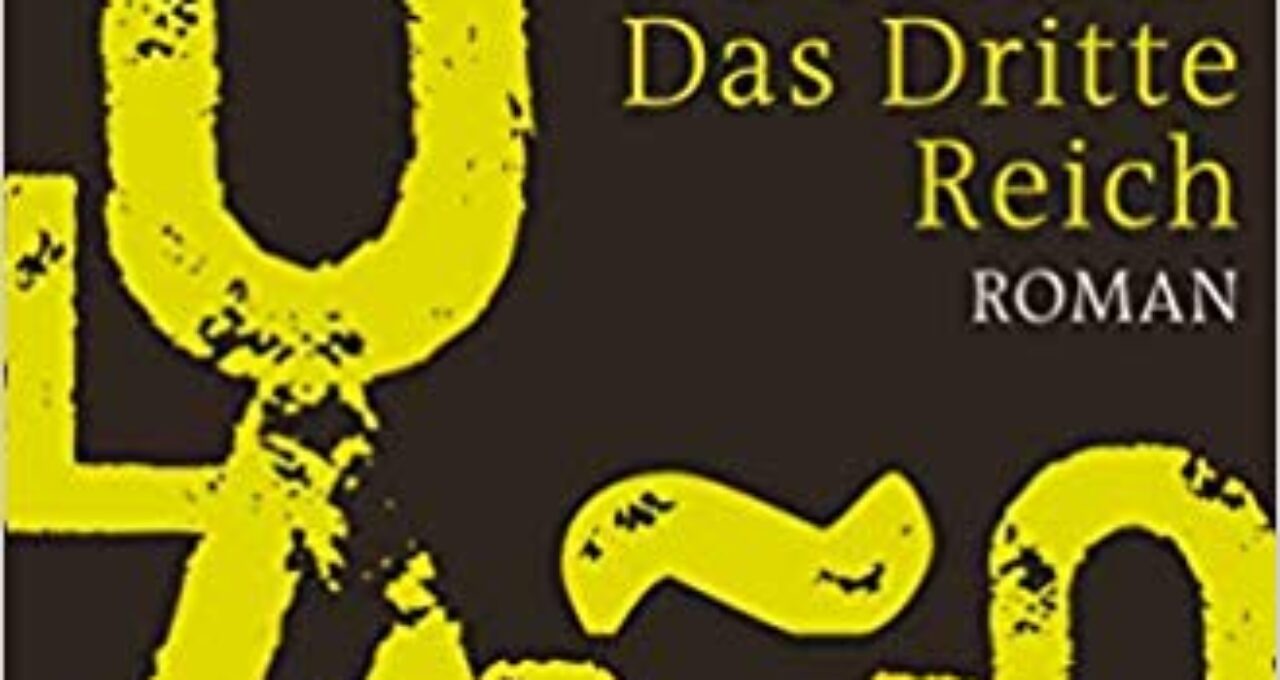
The project explores the genre of alternate history in contemporary literature, film, and TV productions. The central thesis is that alternate history not only plays with contingency, but also reflects on the poetics of historiography. Fictitious history narrates the unrealized possibilities of history, and, while it is often told as if it were real history, it often ironically refers to its own fictional status. This basic ambivalence of the counterfactual narrative as situated between fiction and fact enables it to break through individual and collective patterns of repression. My working hypothesis is that the function of alternate history is not to state an “alternative fact.” Rather, it replays the traumas of history and acts them out in order to raise public awareness of different understandings of history. The essay will contribute to a better understanding of the political imaginary in German culture more than seventy years after the end of the Second World War.
Caspar Battegay teaches modern German and comparative literature at the University of Basel. He received his Dr.phil. from the Hochschule für Jüdische Studien/University of Heidelberg (Germany) in 2009. His dissertation analyzes the discourse of blood in German-Jewish literature (Heine, Buber, Rosenzweig, Kafka). He has taught at the universities of Graz (Austria), Basel, ETH Zurich, and Bern (Switzerland). From 2014 to 2017 he was an “Ambizione” Research Fellow of the Swiss National Science Foundation (SNF) in the German Department of the University of Lausanne (Switzerland), where he completed a study on literary utopias in the twentieth century. He is currently researching a project on the genre of alternate history, and in addition is working on the semiotics of food in different media. Since 2015 he has been a member of “Die Junge Akademie der Berlin Brandenburgischen Akademie der Wissenschaften.”