Neapolitan Modernism. Life Forms around 1900
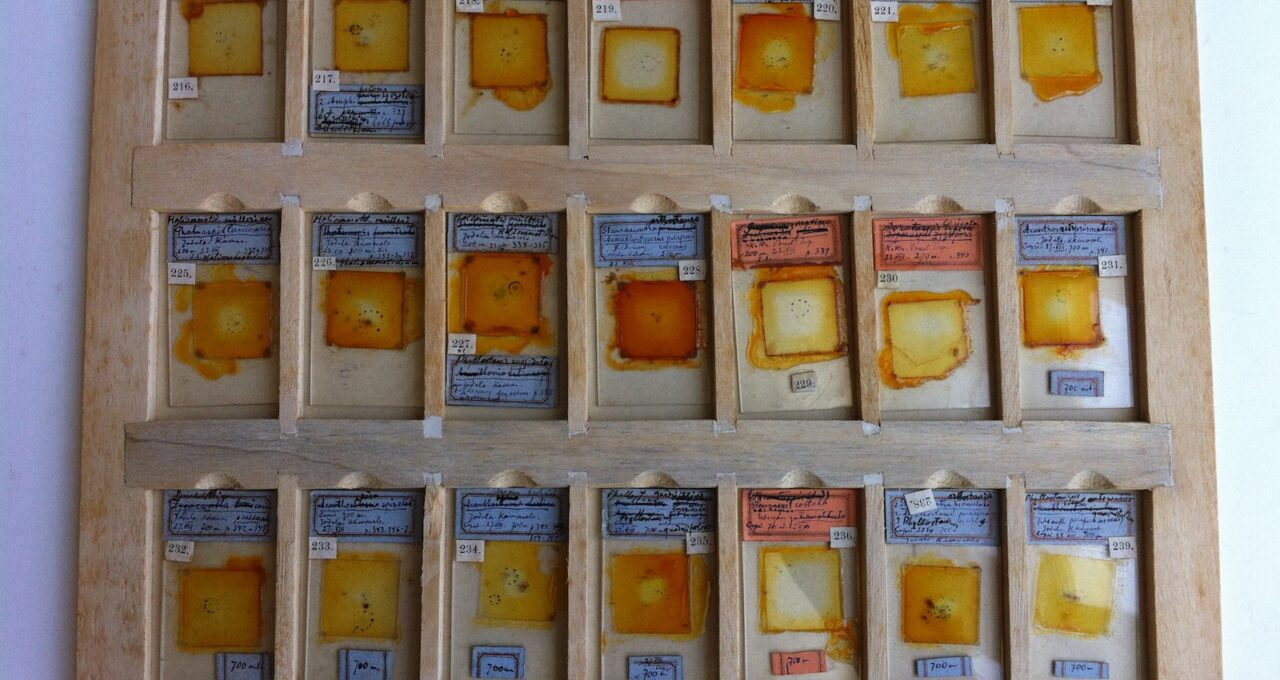
Since 1872, when the German biologist Anton Dohrn founded a zoological station, scientists have been coming to Naples to study the foundations of modern Biology. Soon, it became an international center for the life sciences, with a special focus on ecological questions concerning the “the habits and conditions of life”, as Anton Dohrn framed the station’s research program.
At the same time, writers and philosophers rediscovered the South Italian metropolis, which had been a major travel destination for centuries. In the summer of 1925, the city witnessed a remarkable gathering: Walter Benjamin, Siegfried Kracauer, Theodor W. Adorno, Ernst Bloch and Alfred Sohn-Rethel visited Naples. This trip inspired them to reflect on quite similar questions, albeit from a historical-materialistic perspective, focusing on the human subject and its socio-economic conditions. My research project aims at relating these biological and philosophical knowledge formations, in order to understand why Naples seemed to be an ideal milieu to address some key problems of modernity.
Christina Wessely studied History and German literature at the University of Vienna and the Free University of Berlin. She received postdoctoral fellowships from the Max-Planck-Institute for the History of Science in Berlin and from Harvard University. She held research positions at the University of Vienna and Humboldt University. Since 2014, she is a Professor for the Cultural History of Knowledge at Leuphana University Lüneburg.