18:15
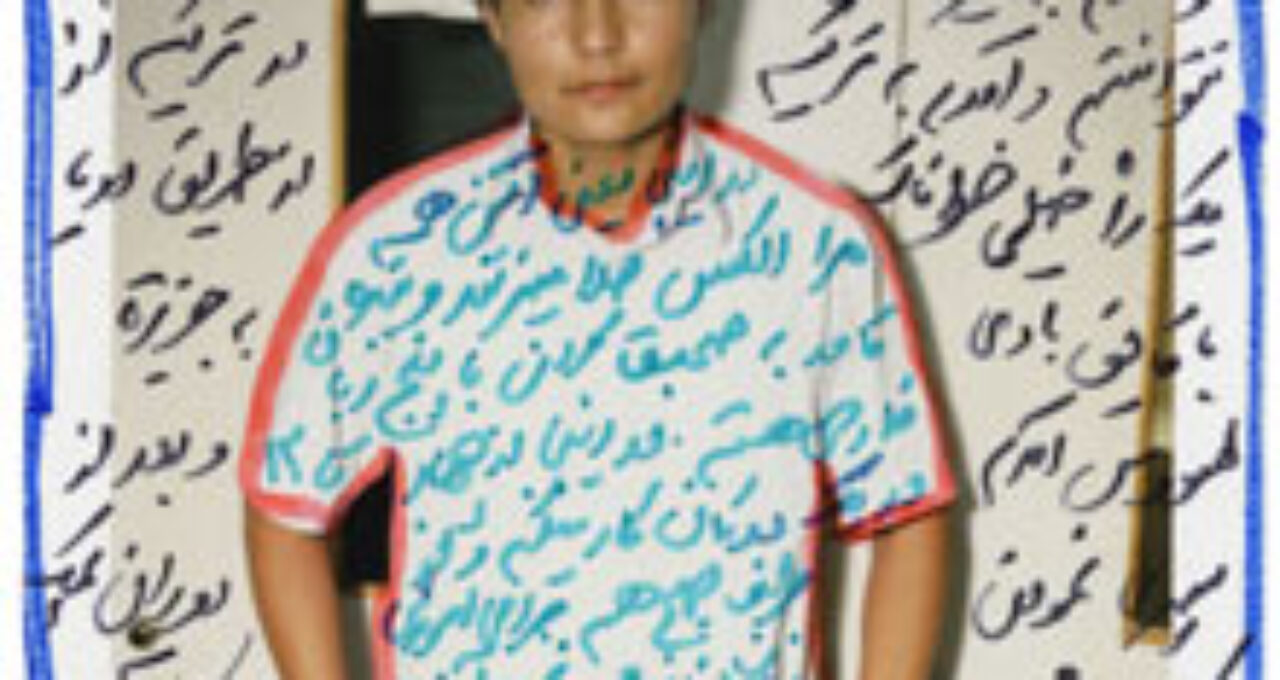
What happens when the theory of translation is not restricted to the translation of cultural representations and symbolic forms, but is extended to include the translation of real people/active subjects, their present life situations? How does the photo-documentary translation of migrants’ lives reshape and diversify our understanding of “cultures of translation”?
18:15
Von der iranischen Grünen Welle bis #BlackLivesMatter – ziviler politischer Aktivismus setzt heute verstärkt auf Videos, die auf Online-Plattformen wie YouTube und Facebook ohne Aufwand und Kosten massenhaft geteilt werden. Chris Tedjasukmana widmet sich dem Videoaktivismus 2.0 und untersucht die Folgen für politische Öffentlichkeiten.
18:15
Latin America has developed, from the 19th century, an interest in reading and translating texts from other languages into our own tone and nuance of Spanish. Borges and Victoria Ocampo were most eminent translators. Mariátegui “translated” Surrealism and Marxism into Peruvian politics and culture. Translation is a founding gesture of independence.
18:15
“What Do Artists Do All Day” is a BBC Four documentary series prudently and pruriently devised to be reality TV’s answer to Giorgio Vasari’s “Vite”. Obliquely, it is a reinterpretation of Richard Scarry’s seminal critical enquiry (for ages 3 to 6) “What Do People Do All Day”, as it is also the pointedly pecuniary theme of the 2016 Manifesta art biennial: “What Do People Do for Money”.
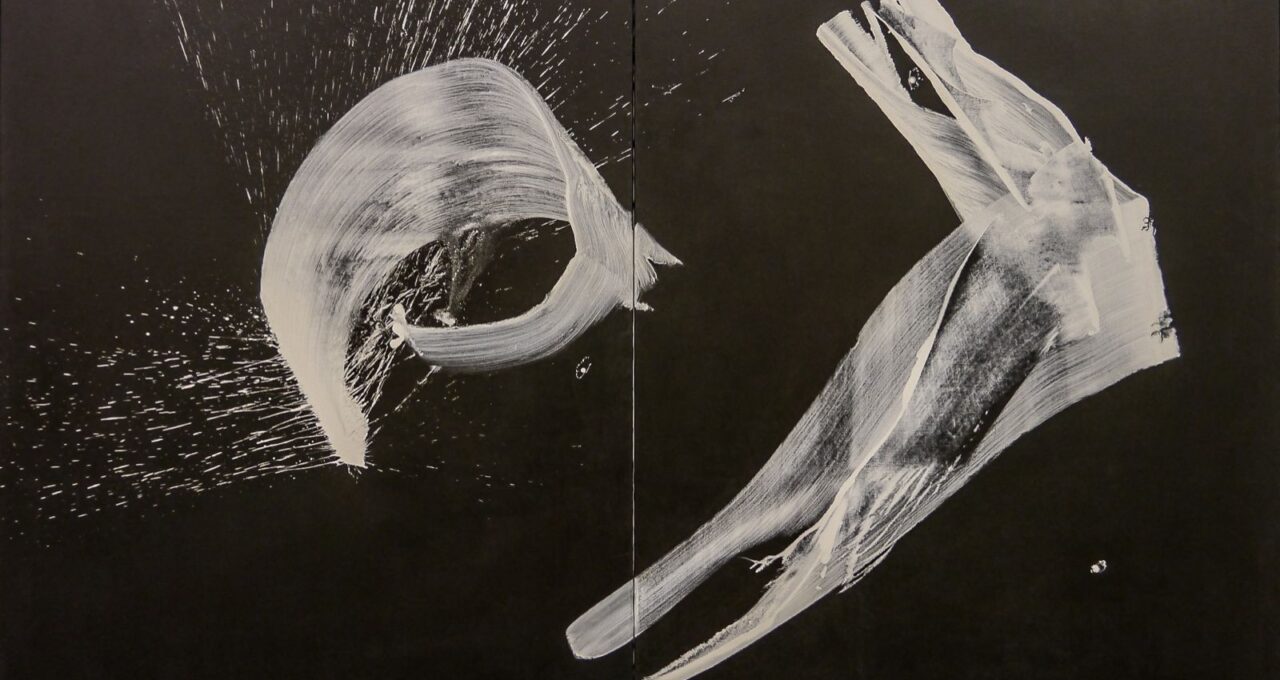
Mediale Praktiken der Momentaufnahme setzen sich derzeit als dominantes Muster der öffentlichen Kommunikation durch. Wie lassen sich ästhetische Konzepte und Gebrauchsweisen von Augenblicksaufzeichnung und Momentaufnahme und ihre historischen Diskursspuren im Lichte der gegenwärtig zu beobachtenden Phänomene lesen?